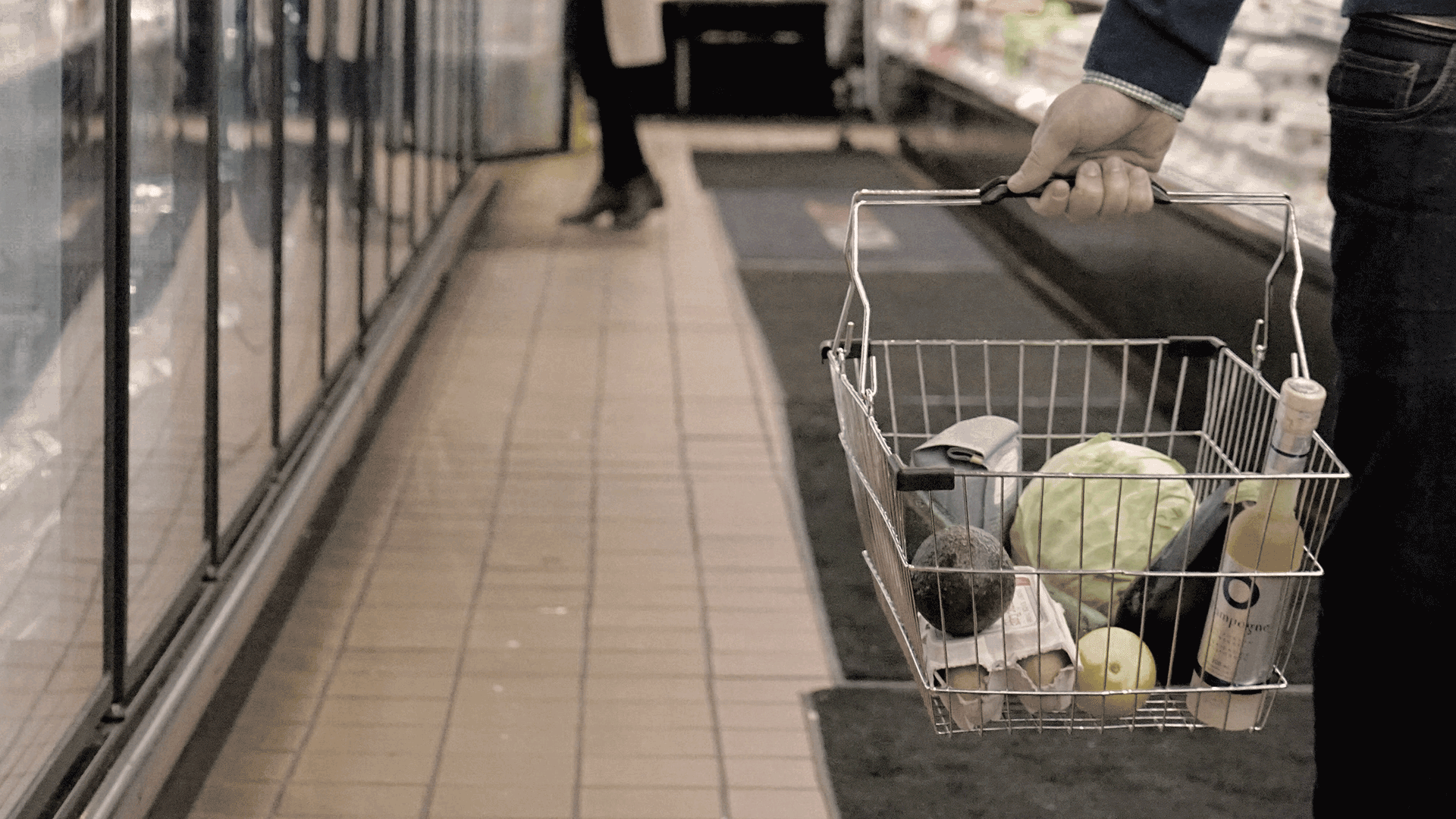
I was doing my weekly grocery shop recently when it struck me. Heinz ketchup, Cheerios, Häagen-Dazs, the same brands I have seen on shelves my entire life, in supermarkets across multiple countries, and yet when I got home and pulled up the data, I found that several of them are sitting near the bottom of Obermatt's ranking for their sector. The gap between brand recognition and investment quality turned out to be wider than I expected.
Most of the financial conversation right now is focused on the US, and understandably so. The AI boom has pulled enormous attention and capital toward American tech stocks, and we wanted to look at what is happening on the other side of the US economy, the everyday consumer brands that have been on shelves for decades, long before anyone was talking about large language models. With inflation making eating out increasingly expensive, more people are cooking at home, which should in theory be good news for packaged food companies. The data tells a more complicated story.
Obermatt ranks stocks across 15 metrics covering Value, Growth, Safety, and Sentiment. Here is where the US packaged foods sector stands right now.
The Leaders Nobody Talks About
The two companies at the top of the sector with a 360° View Rank of 96 are John B. Sanfilippo & Son and Seneca Foods. These are not names that come up in investment conversations.
| Metric | ||
|---|---|---|
| 360° View Rank | ||
| Sentiment | ||
| Combined | ||
| Value | ||
| Growth | ||
| Safety |
Sanfilippo makes nuts and snack products under brands including Fisher, Orchard Valley Harvest, and Southern Style Nuts. What it has is a business that has quietly delivered exceptional results in a difficult environment. Net sales reached a record $314.8 million in Q2 fiscal 2026, with diluted EPS up 31.9% year on year. Through the first three quarters of fiscal 2026, diluted EPS has grown to $4.55 from $3.87 a year earlier. Growth Rank 90, Safety Rank 94, a business managing costs and pricing with discipline while the sector's biggest names have been struggling to do the same.
Seneca Foods produces canned and frozen vegetables. Even less well known outside the industry. A Sentiment Rank of 99, the highest in the entire sector, suggests the market has noticed something the financial press has largely overlooked.
Tyson Foods: The Recognisable Name Holding Its Ground
Further down the top group, Tyson Foods is worth examining. It is the most widely known brand among the leaders, and its numbers reveal an interesting picture.
| Metric | |
|---|---|
| 360° View Rank | |
| Sentiment | |
| Combined | |
| Value | |
| Growth | |
| Safety |
Full-year fiscal 2025 sales came in at $54.4 billion, up 2.1%, with adjusted operating income up 26% and adjusted EPS of $4.12, up 33%. The chicken and prepared foods segments (Jimmy Dean, Hillshire Farm, Ball Park) drove the performance, with historically high chicken prices and low feed costs more than offsetting continued losses in beef. For fiscal 2026, the company expects free cash flow of $1.2 to $1.8 billion.
The standout number is Sentiment Rank 7. The market is deeply cautious despite solid fundamentals, largely a hangover from years of legal contingency accruals and the beef segment drag. Combined Rank 98 and Value Rank 87 suggest the underlying business is priced well below what the operational performance would imply.
The Household Names Under Pressure
Now for the brands everyone recognises.
| Company | |||||
|---|---|---|---|---|---|
| General Mills | |||||
| Kraft Heinz | |||||
| J.M. Smucker | |||||
| B&G Foods |
General Mills (Cheerios, Betty Crocker, Häagen-Dazs) has lost nearly 40% of its stock value over the past 12 months and trades at around 8 times earnings. The brand portfolio is iconic. The business has not kept up. Organic net sales fell 3% in the most recent quarter, gross margins are under pressure from higher input costs, and the company has been forced to cut prices to win back volume lost to store brands. Safety Rank of 11 is the most concerning number: the balance sheet has very little room to absorb further shocks.
Kraft Heinz is in a similar position. The ketchup still dominates its category. The financials tell a harder story. Growth Rank 69 sounds reasonable until you look at Safety 29. The debt load from the 2015 merger of Kraft and Heinz has never fully been resolved, and activist investors from Trian Partners have been pushing for structural changes. Organic net sales grew modestly in 2025 but volume has been stagnant.
J.M. Smucker is less familiar outside the US. Its biggest brands, Folgers coffee and Jif peanut butter, are largely American staples, but Uncrustables has been one of its fastest-growing products domestically. Safety Rank of 9 is the lowest in this group. Debt taken on from the Hostess acquisition in 2023 continues to weigh on the balance sheet. Sentiment 67 suggests the market still has some faith in the brand portfolio, but the fundamentals have not yet justified that confidence.
B&G Foods (Green Giant, Crisco, Cream of Wheat) sits at the bottom of the sector with a 360° Rank of 15, despite having the highest Value Rank in the entire sector at 100. It is the clearest value trap in the group: cheap on every valuation metric, but with Growth 17 and Safety 29, the balance sheet is struggling under the weight of acquisitions made when borrowing was cheap and the business has not grown into them.
What the Data Tells Us
The packaged food story of 2026 is not really about brands. It is about balance sheets, cost discipline, and whether a business can hold its ground in a market where consumers are watching every purchase more carefully than they have in years.
The companies scoring best in Obermatt's ranking are not the ones on every supermarket shelf. They are the ones running disciplined operations and managing costs in a difficult input environment without the burden of debt taken on during better times.
John B. Sanfilippo & Son and Seneca Foods are not names that come up in financial media. But with 360° Ranks of 96 in a sector where General Mills and Kraft Heinz sit at 17, the data makes a clear argument about which businesses are better run right now.
The brands most of us grew up with are not going anywhere. But their stocks may not be the safe haven they once appeared to be. Curious how other packaged food companies rank? Explore the full Obermatt ranking for the sector and find stocks that match your investment style.