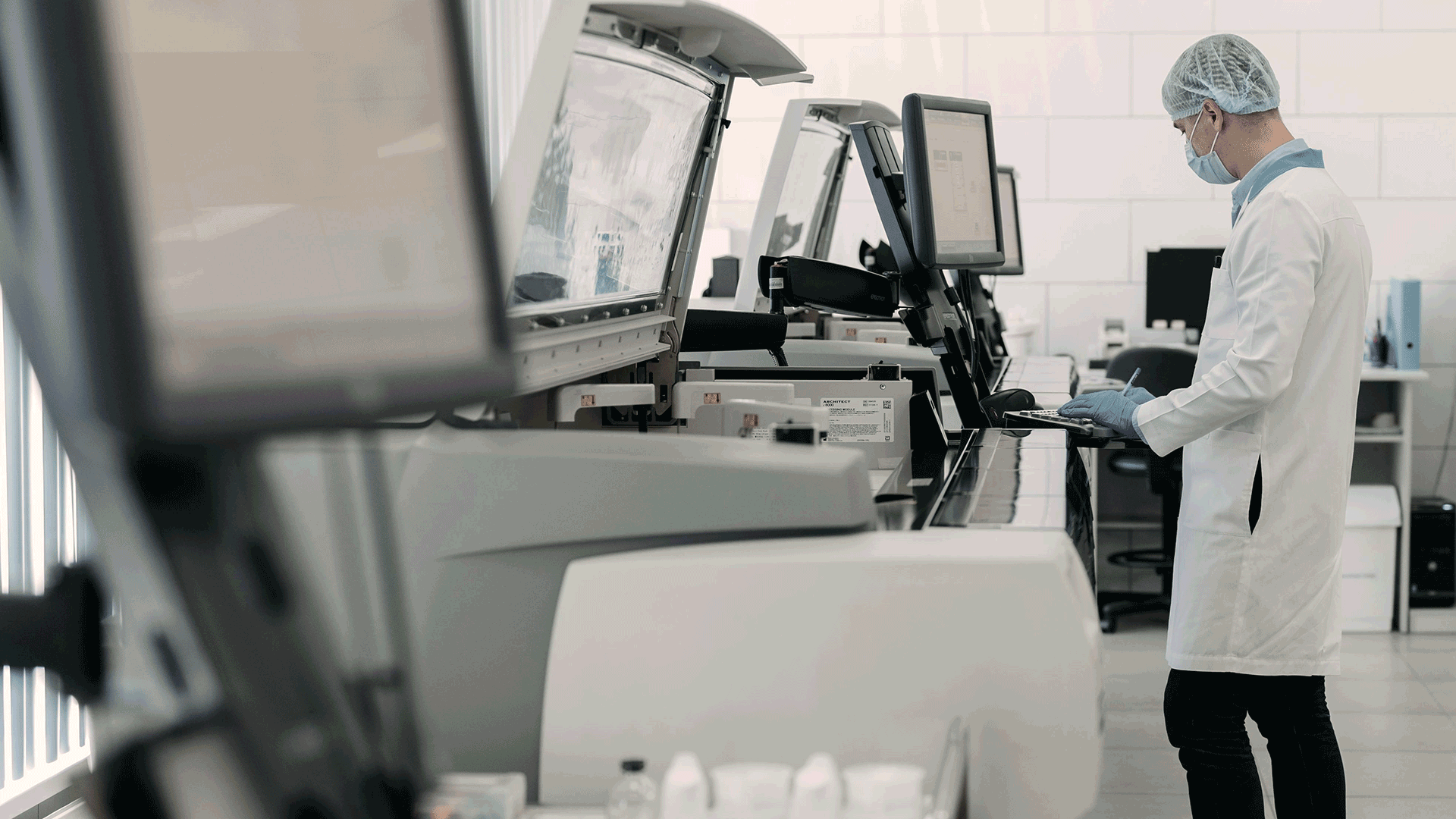
In the world of pharmaceuticals, most headlines go to the companies whose names appear on the package. But behind nearly every pill, injection, and surgical agent you have ever taken is a company you have probably never heard of. Siegfried Group is one of those companies, which is precisely what makes it interesting.
Founded in 1873 by pharmacist Samuel Benoni Siegfried in Zofingen, Switzerland, this company has been quietly indispensable for over 150 years. Benoni Siegfried's early logic was simple: back then, pharmacists still produced many of their own drugs, and they all needed the same basic substances to do it. Why not produce those at scale for everyone? That instinct, serve the industry and don't compete with it, became Siegfried's defining philosophy. In 1991, the company formally committed to this path, exiting its own drug brands to focus entirely on contract manufacturing. It has never looked back.
Today, Siegfried is one of the world's leading CDMOs (contract development and manufacturing organizations). Pharmaceutical and biotech companies bring their molecules, and Siegfried turns them into medicines. It handles both the active ingredients and the finished forms like tablets, vials, and injectables. Siegfried is one of the very few CDMOs in the world that can do both under one roof.
The global network spans 13 sites across Switzerland, Germany, France, Spain, Malta, the USA, China, and now Australia. In 2025, Siegfried posted revenues of CHF 1.33 billion with a core EBITDA margin above 21%. That same year, the company reinvested CHF 211.9 million into its own infrastructure, a clear signal of where management sees the growth runway.
The most recent chapter is playing out in the United States. In January 2026, Siegfried signed agreements to acquire two drug substance facilities: a commercial-scale site in Wilmington, Delaware (formerly a Johnson & Johnson plant) and a clinical API facility in Athens, Georgia. CEO Marcel Imwinkelried was clear: the company's small molecule network is now complete.
Did you know?
- Siegfried's Zofingen headquarters has been in continuous operation since 1873, making it one of the longest-running pharmaceutical production sites in the world.
- In 1927, the Siegfried family set up their first American subsidiary in New Jersey, nearly a century before "reshoring pharma" became a political talking point.
- Siegfried was involved in the fill-and-finish manufacturing of the Pfizer-BioNTech COVID-19 vaccine at its Hameln site in Germany.
- In 2023, Siegfried acquired a majority stake in DINAMIQS, a Swiss biotech specializing in viral vector manufacturing, marking its entry into the gene therapy space.
- The company listed on the Swiss Stock Exchange on its 100th anniversary in 1973.
What makes Siegfried stand out is structural tailwinds combined with operational discipline. The pharmaceutical industry is outsourcing more manufacturing, not less, and Siegfried sits directly in the path of that shift. Its broad customer base, integrated capabilities, and multi-continent footprint make it genuinely hard to replicate.
There is nuance here too. The 2026 outlook is cautious, with management flagging limited visibility on one large contract. That honesty reflects a culture that would rather set a bar it can clear than promise something it cannot deliver.
Siegfried's Obermatt 360° View Rank currently places it among our top Swiss stocks. Its strongest scores are in Sentiment and Safety. The Sentiment rank is driven by the Market Pulse, which reflects the positive buzz around the US acquisitions. The Safety rank speaks for itself: solid balance sheet, a net debt-to-core EBITDA ratio of 1.5, and 150 years of not taking unnecessary risks. A long-standing Swiss Pearls Index (OMSP1) constituent, and for good reason.

Invest in a professionally managed index of 36 stocks selected each month using the Obermatt method. Available for retail investors on the SIX Swiss Exchange (Ticker: OMSP1). Learn more