The travel industry has been growing steadily since the end of the pandemic. What initially looked like a temporary wave of "revenge travel" has transformed into a sustained, structural boom. Airlines sit at the backbone of this expansion. To meet demand from both personal and business travelers, carriers have been busy expanding their networks, modernizing their fleets, and overhauling legacy business models.
However, the aviation sector is notoriously complex. While the skies are busy, identifying the right stocks requires balancing strong demand with the realities of high operating costs. This is where the Obermatt 360° View comes in, offering a comprehensive look at Value, Safety, Growth and Sentiment metrics.
Investing in Airlines: The Altitude and the Turbulence
Before diving into the top performers, we review broader market dynamics:
The Bull Case
Investing in airlines now offers exposure to solid cash flows and structurally supported profit margins. According to the latest IATA projections for 2026, the global airline industry is expected to achieve record net profits of $41 billion, with total revenues topping the $1 trillion mark for the first time, driven by these factors:
- Relentless Demand vs. Constrained Capacity: Global passenger numbers are projected to reach a record 5.2 billion in 2026. Ironically, ongoing aircraft shortages are forcing airlines to exercise strict capacity discipline. This has pushed passenger load factors to an all-time high of nearly 84%, driving up ticket prices.
- Ancillary Revenue Boom: The most successful carriers have optimized their business models by unbundling fares and introducing high-margin ancillary revenues (like premium seating, extra baggage, and priority boarding). These add-ons now account for roughly 14% of total industry revenue, significantly padding the bottom line.
- Favorable Fuel Outlook: Jet fuel is traditionally an airline’s largest variable expense. With consensus forecasts pointing to a decline in crude oil prices, dropping toward $62 per barrel in 2026, airlines are positioned to capture improved operating margins as their higher-cost fuel hedges expire.
The Bear Case
Despite the record profits, the airline industry remains highly capital-intensive and highly sensitive to supply chain shocks. The current operational environment is testing the limits of airline fleet management:
- The Large Production Backlog: Boeing and Airbus currently sit on a record backlog of over 14,000 firm aircraft orders, locking in production for the next seven years. Ongoing aerospace supply-chain bottlenecks and labor shortages mean new aircraft deliveries are facing severe delays. As a result, the global fleet is aging rapidly, pushing the average aircraft age beyond 15 years and driving up costly, intensive maintenance cycles.
- The Pratt & Whitney Engine Crisis: A critical headwind facing the industry is the severe defect discovered in the powder metal of Pratt & Whitney’s Geared Turbofan (GTF) engines, which power many Airbus A320neo and A220 aircraft. The defect requires time-consuming inspections, overwhelming most maintenance facilities. As of early 2026, roughly one-third of the GTF-powered Airbus fleet (over 600 jets) is grounded. The shortage of spare engines is so severe that airlines like SWISS have grounded entire sub-fleets just to cannibalize them for parts. Even some recently built Airbus jets are being dismantled for their engines, because they are currently worth more than the aircraft itself.
Top 10 Airlines by Obermatt 360° View
These 10 airlines currently have strong 360° View ranks, driven by recent news and market developments:
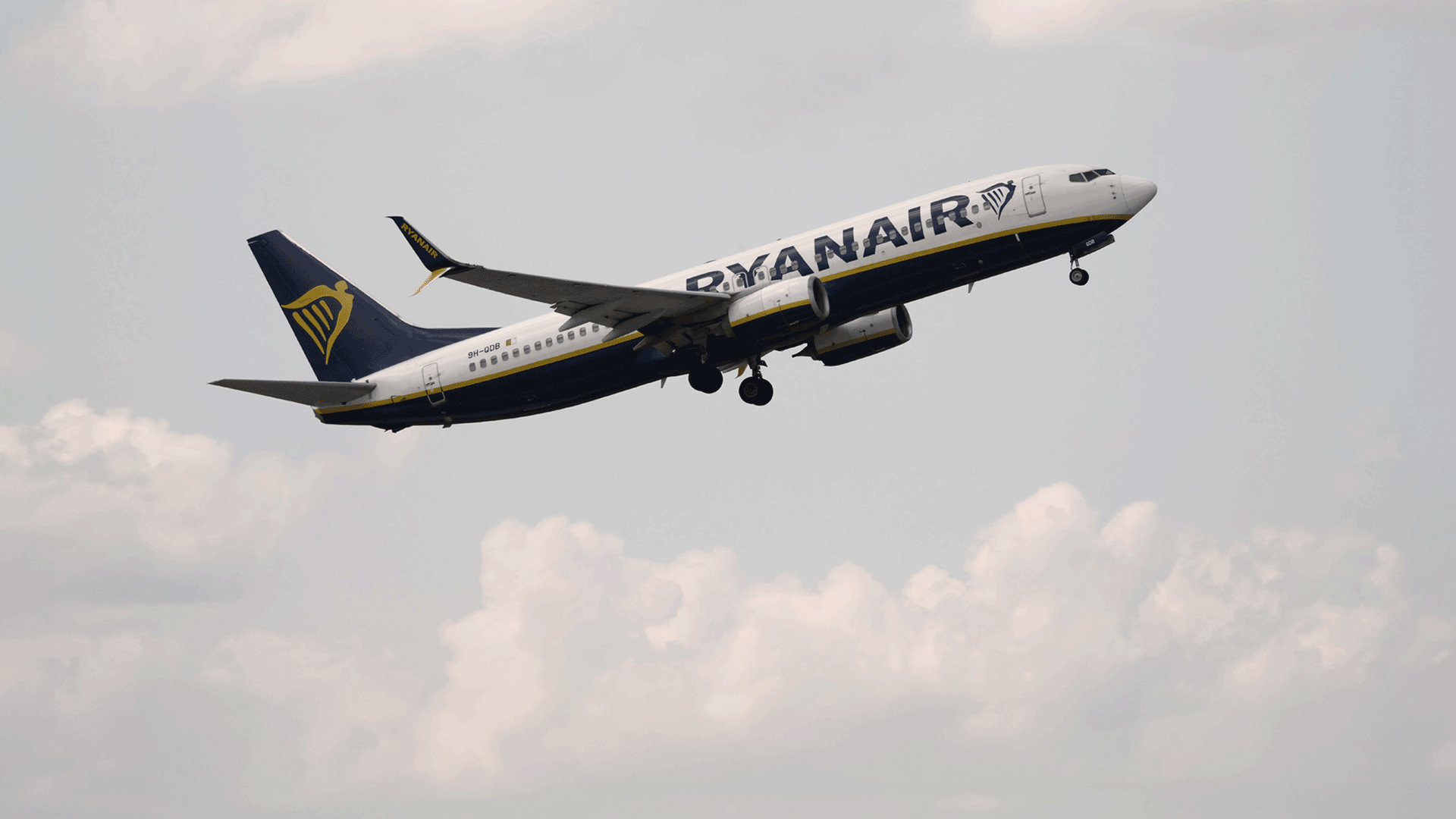
- Ryanair (Obermatt 360° View: 98): Europe's ultra-low-cost giant remains highly competitive. The airline's opportunistic marketing was recently highlighted when CEO Michael O'Leary rejected Elon Musk's Starlink internet over high costs. After Musk insulted him online, Ryanair spun it into a PR win with a "Big Idiot Seat Sale," driving a solid bump in bookings.
- Korean Air Lines (Obermatt 360° View: 96): Positioned for massive Asia-Pacific growth, Korean Air's trajectory is driven by its landmark Q4 2024 acquisition of rival Asiana Airlines. This serious expansion, coupled with strong e-commerce cargo demand, significantly broadens the carrier's global footprint and market dominance.
- Delta Air Lines (Obermatt 360° View: 96): Delta is riding bullish market sentiment, highlighted by a record order in January for up to 60 Boeing 787-10 Dreamliners to modernize its long-haul fleet. Despite a recent $66.7M hit from winter storms, AI-driven recovery tools and projected 20% EPS growth keep investor confidence high.
- easyJet (Obermatt 360° View: 95): The UK-based low-cost carrier sees record forward bookings, supported by an expected 7% growth in capacity. Its dedicated "easyJet holidays" division continues to drive its profit targets well ahead of schedule.
- Southwest Airlines (Obermatt 360° View: 94): Sentiment is high, following a structural overhaul that abandoned decades of tradition for assigned seating and new fees. Even with activist investor Elliott Management lowering its stake after this initial success, Southwest projects major 2026 earnings growth, though near-term capacity hinges on the anticipated Q2 certification of the Boeing 737-7.
- EVA Airways (Obermatt 360° View: 89): The Taiwanese carrier continues to thrive by maintaining a strong strategic balance between passenger travel and cargo operations. With stable fuel costs providing a predictable operating environment, EVA is well positioned to capture the booming Asia-Pacific travel market.
- Norwegian Air Shuttle (Obermatt 360° View: 85): Norwegian just delivered record full-year results for 2025, proposing its first-ever dividend and boasting a historically strong 9.9% EBIT margin in Q4. Despite these solid numbers, the airline faces some investor caution as it navigates sluggish corporate travel recovery and sets a modest 3% capacity growth target for 2026.
- Copa Holdings (Obermatt 360° View: 82): Operating out of Panama, Copa remains an industry leader in profitability. The carrier boasts a solid balance sheet and healthy net margins, making it one of the safest bets in the Latin American aviation market.
- United Airlines (Obermatt 360° View: 80): United is aggressively expanding its footprint, notably competing fiercely for gate dominance at its Chicago O'Hare hub, which recently prompted the FAA to intervene over summer 2026 overscheduling concerns. Beyond the tarmac battle, the carrier is actively modernizing the passenger experience by rapidly rolling out Starlink Wi-Fi across its regional fleet.
- Lufthansa (Obermatt 360° View: 76): Lufthansa faces mixed sentiment. Recent Munich snowstorms left passengers stranded overnight on the tarmac, while regulatory delays for its new "Allegris" business class seats force the airline to fly its newest jets with fewer sellable seats. However, a joint business agreement with Air India bolsters its commercial outlook.
Finding the right airline investment means looking past the immediate travel frenzy to evaluate long-term financial stability. Deep dive into more detailed Obermatt ranks, or search for other stocks in the travel industry.